





Introduction
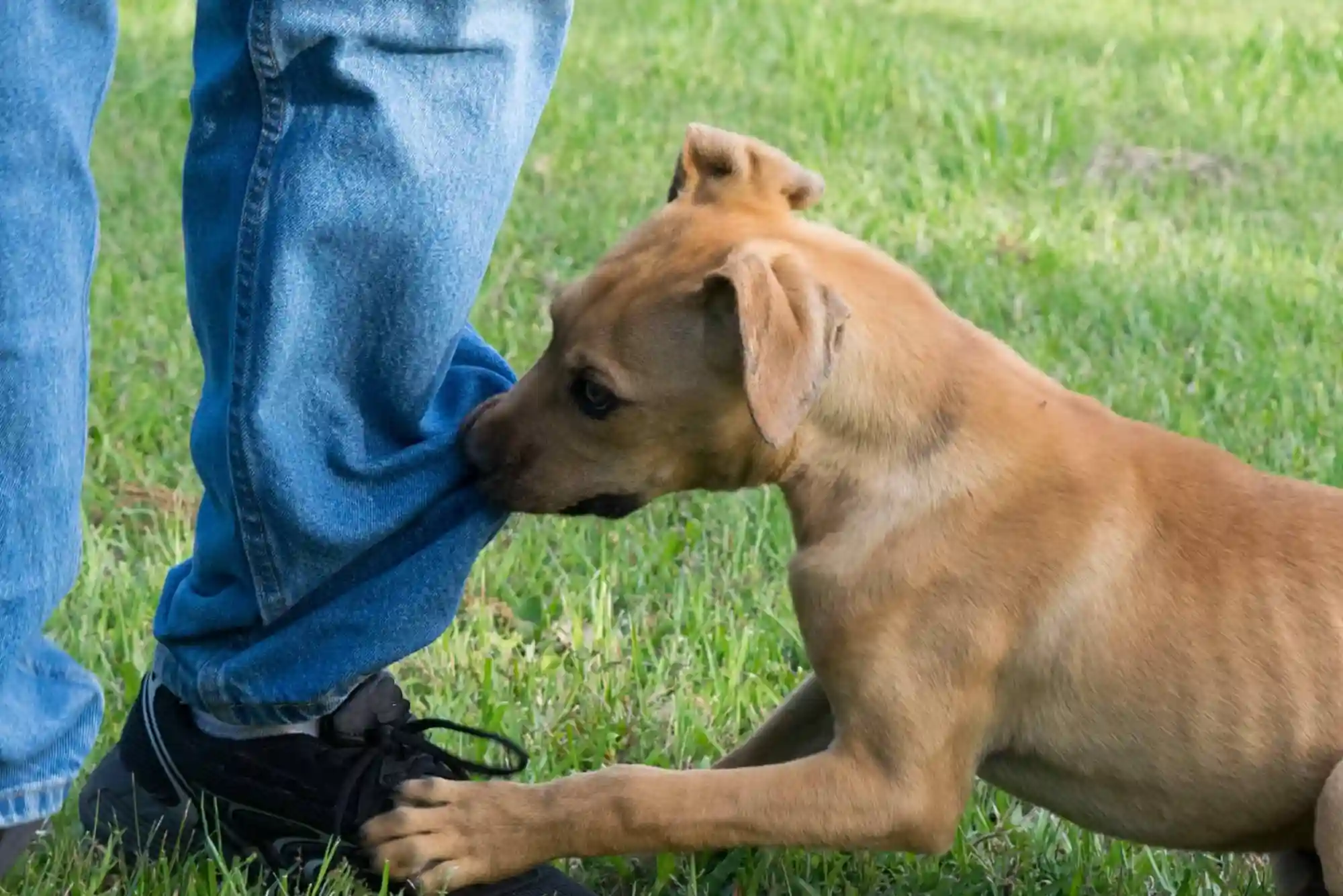
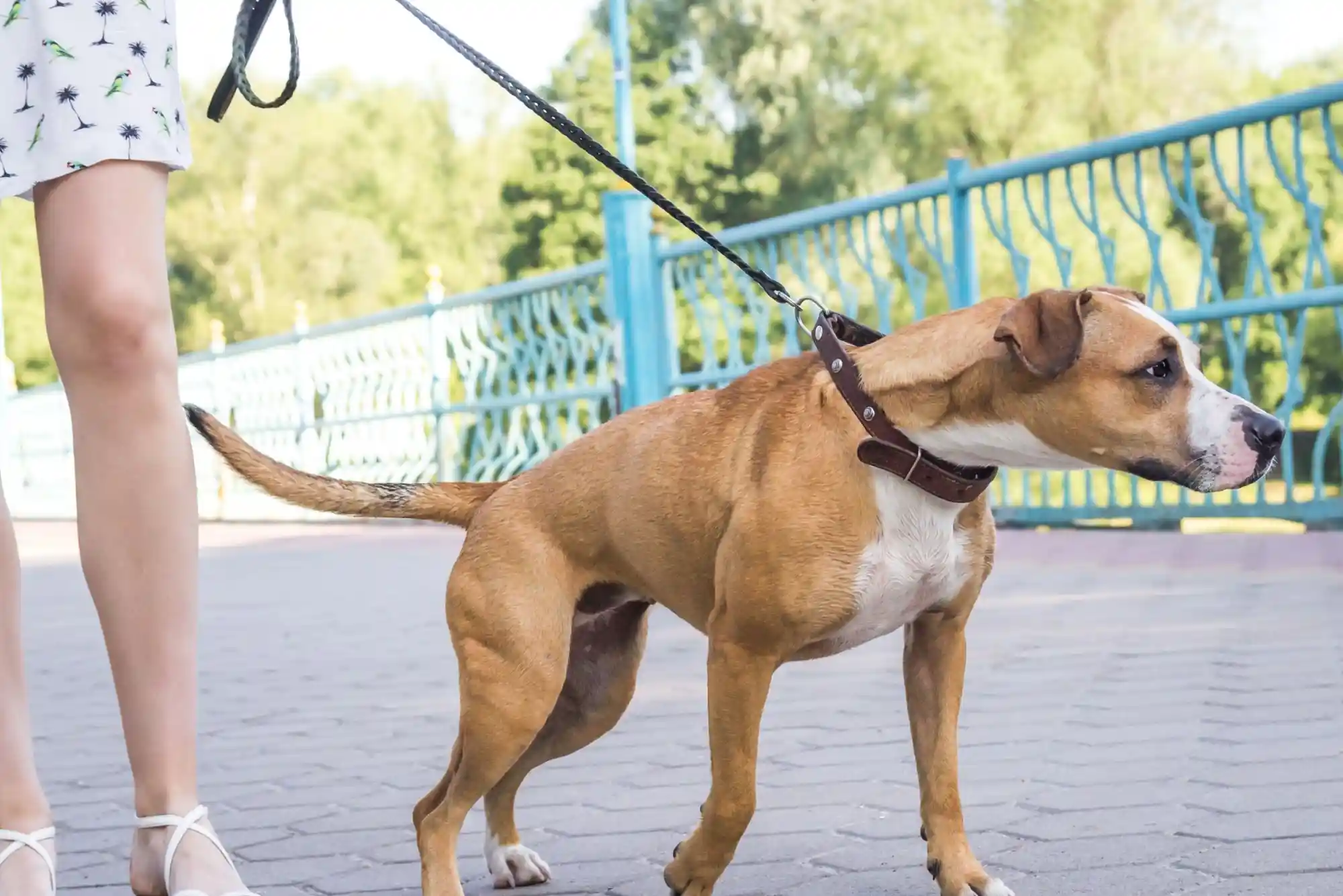
Learning how to stop a puppy from biting ankles and pant legs during walks can make daily outings more enjoyable. This behavior is common among young dogs, especially during exciting walks. Puppies often chase moving feet, grab loose clothing, and nip when they feel overstimulated.
Although this habit can be frustrating, it usually reflects normal puppy development. Puppies explore their surroundings with their mouths and practice behaviors through play. However, ankle biting can become dangerous if it causes falls or damages clothing.
The good news is that consistent training can help your puppy develop better walking habits. Understanding the reason behind this behavior is the first step toward lasting improvement.
Why Do Puppies Bite Ankles and Pant Legs During Walks?
Before learning how to stop a puppy from biting ankles and pant legs during walks, identify the possible cause. Different triggers require slightly different training approaches.
Natural Herding and Chasing Instincts
Some puppies naturally chase moving objects. Breeds developed for herding may show this behavior more frequently. Moving feet and swinging pant legs can trigger their instinct to chase and grab.
Your puppy might run toward your ankles whenever you start walking. This does not necessarily indicate aggression. Instead, the movement may resemble an exciting game.

Teething and Exploration
Puppies experience teething discomfort as their adult teeth develop. Chewing can temporarily relieve this discomfort. Consequently, clothing and shoes may become appealing targets.
Young puppies also investigate unfamiliar textures with their mouths. Loose trousers provide an easy target, especially when they move during a walk.
Overexcitement and Overtiredness
Puppies have limited emotional control. Busy streets, unfamiliar smells, and exciting surroundings can quickly overwhelm them. Once overstimulated, they may struggle to follow familiar commands.
An overtired puppy can also become unusually mouthy. If biting increases near the end of a walk, your puppy might need rest rather than additional exercise.
How to Stop a Puppy from Biting Ankles and Pant Legs During Walks
The most effective approach combines calm handling, positive reinforcement, and consistent boundaries. Your goal is to teach your puppy that walking beside you is more rewarding than grabbing clothing.
Stop Moving When Biting Begins
When your puppy grabs your trousers, stop walking immediately. Keep your body calm and avoid pulling your leg away quickly. Sudden movement can make your feet appear more exciting.
Wait for your puppy to release the fabric. Then encourage a simple alternative behavior, such as looking at you or standing calmly.
Once your puppy settles, reward the calm behavior and resume walking. Repeat this process consistently whenever ankle biting occurs.
Avoid dragging your puppy or shouting during these moments. Harsh reactions can increase excitement, fear, or frustration.
Redirect Your Puppy Toward a Suitable Toy
Carry a small, puppy-safe toy during walks. When your puppy begins targeting your ankles, offer the toy before the behavior escalates.
Choose a toy that is easy to carry and appropriate for your puppy’s size. A soft tug toy may work well for some puppies. Others respond better to a small chew toy.
Reward your puppy for engaging with the toy instead of your clothing. Over time, this teaches an appropriate outlet for biting.
However, avoid waving the toy wildly around your legs. That movement may accidentally encourage chasing.
Reward Loose-Leash Walking
Positive reinforcement helps puppies understand which behaviors earn rewards. Carry small treats and reward your puppy whenever they walk beside you calmly.
Initially, reward just a few steps of successful walking. Gradually increase the distance as your puppy improves.
Use a consistent cue, such as “with me” or “let’s walk.” Say the cue before moving, then reward your puppy for following without grabbing your clothes.
Short, successful training sessions are more effective than expecting perfect behavior immediately.
Teach Your Puppy to Focus on You
Attention training gives your puppy an alternative to chasing moving feet. Begin practicing indoors, where distractions are limited.
Say your puppy’s name once. When they look toward you, immediately offer a treat and praise.
Practice this exercise in your garden or another quiet outdoor area. Once your puppy responds reliably, introduce the skill during short walks.
If your puppy becomes too excited to respond, move to a quieter location. Reducing distractions often works better than repeating commands.
What Should You Do When Your Puppy Grabs Your Pants?
Remaining calm is essential when your puppy bites clothing. Pulling, shouting, or pushing can unintentionally turn the interaction into a game.
Instead, stop moving and keep your hands relaxed. Avoid jerking your leg away because this may intensify the chasing response.
If your puppy releases the fabric, reward the release and redirect their attention. Resume walking only when they can settle briefly.
If the biting continues, take a short break in a safe, quiet place. Offer water or allow your puppy to rest when appropriate.
Never punish your puppy by hitting, kicking, or frightening them. These reactions can damage trust and make training more difficult.
How to Prevent Ankle Biting Before Walks
Prevention can reduce the number of times your puppy practices unwanted behavior. A puppy that begins a walk already overstimulated may struggle to control its impulses.
Choose the Right Walking Environment
Start training in a quiet area with fewer people, vehicles, and other dogs. Busy environments introduce too many distractions for a young puppy.
Once your puppy walks calmly in a familiar location, gradually introduce new surroundings. This progression helps build confidence without overwhelming your dog.
Keep Walks Short and Appropriate
Young puppies need exercise, but excessive activity can increase fatigue and excitement. Choose walking sessions according to your puppy’s age, breed, health, and individual needs.
Allow time for sniffing and exploring. These activities provide mental stimulation without requiring constant physical movement.
Watch for signs of tiredness, including repeated biting, reduced responsiveness, and difficulty settling. When these signs appear, consider ending the session.
Practice Before Heading Outside
Spend a few minutes practicing attention cues and loose-leash walking indoors. Reward calm behavior before introducing outdoor distractions.
You can also practice walking around furniture while your puppy follows you. This helps teach appropriate movement and attention in a controlled environment.
Common Mistakes That Make Puppy Biting Worse
Some well-intentioned reactions accidentally reinforce ankle biting. Understanding these mistakes can help you make faster progress.
Chasing your puppy when they grab your trousers may turn the situation into a game. Instead, remain still and calmly redirect their attention.
Repeatedly shouting commands can increase excitement without teaching an alternative behavior. Use short cues and reward the response you want.
Allowing biting sometimes but discouraging it at other times creates confusion. Everyone who walks your puppy should follow the same training approach.
Finally, avoid expecting immediate results. Puppies need repetition, patience, and consistent feedback before new habits become reliable.
When Should You Seek Professional Help?
Most puppy ankle biting improves with appropriate training and maturity. However, professional guidance may be useful when the behavior becomes intense or difficult to manage.
Contact a qualified, reward-based dog trainer if your puppy repeatedly lunges, bites hard, or cannot disengage from clothing. A veterinarian can also help rule out pain or other health concerns.
Seek advice if the behavior suddenly appears in a previously calm puppy. Sudden behavioral changes sometimes indicate discomfort, stress, or an environmental problem.
If biting breaks the skin or creates a risk of falling, prioritize safety. Avoid forcing the puppy through a situation they cannot handle. A professional can help develop a suitable management and training plan.
Frequently Asked Questions
Why does my puppy bite my ankles when I walk?
Puppies often chase ankles because moving feet trigger play and chasing instincts. Teething, excitement, frustration, and tiredness can also contribute. Consistent redirection and rewards help teach more appropriate behavior.
How do I stop my puppy from biting my pants while walking?
Stop moving when biting begins, then wait for your puppy to release the fabric. Redirect them toward a suitable toy and reward calm walking. Practice regularly in quiet environments before introducing more distractions.
Should I ignore my puppy when it bites my feet?
Briefly removing movement and attention can help, provided your puppy remains safe. However, ignoring alone may not teach the behavior you want. Combine calm pauses with redirection and positive reinforcement.
Do puppies grow out of ankle biting?
Many puppies become less mouthy as they mature. However, the behavior may continue if chasing clothing remains rewarding. Early training helps prevent an annoying habit from becoming established.
Why does my puppy bite my legs when excited?
Excitement can make it difficult for puppies to control their impulses. They may chase moving feet or grab clothing to initiate play. Shorter walks, calmer environments, and rewarding attention can help.
Conclusion
Learning how to stop a puppy from biting ankles and pant legs during walks requires patience, consistency, and an understanding of your puppy’s needs. The behavior often develops through normal play, chasing instincts, teething, or overstimulation.
Related Reading: Feline Hyperthyroidism: Weight Loss with Increased Appetite Symptoms and Treatment

