



Introduction
Resource guarding in dogs can make everyday activities stressful for pet owners. A dog may growl over its food bowl, hide a favorite toy, or snap when someone approaches a valuable treat. Although these behaviors can seem aggressive, they often develop from fear of losing something important.
Understanding resource guarding in dogs is the first step toward safer behavior. Fortunately, positive reinforcement and carefully managed trade drills can help many dogs feel more comfortable around people. Instead of forcing a dog to surrender its possessions, owners can teach it that giving something up brings better rewards.
This guide explains why resource guarding happens, how to recognize warning signs, and how to use safe trading exercises. It also covers common training mistakes and situations requiring professional support.
What Is Resource Guarding in Dogs?
Resource guarding occurs when a dog uses body language or aggressive behavior to protect something it considers valuable. These resources may include food, toys, chews, resting places, or even particular people.
For example, a dog might freeze when someone approaches its dinner. Another dog may carry a toy away, growl when touched, or bite when someone reaches toward its mouth.
Not every dog displays the same warning signs. Some become tense and protective, while others progress quickly to snapping or biting.

Why Do Dogs Guard Food and Toys?
Resource guarding often develops because dogs want to maintain access to valuable resources. A dog that fears losing its food may react defensively when someone approaches.
Previous experiences can influence this behavior. Dogs that experienced food competition, inconsistent access to resources, or repeated removal of possessions may become especially protective.
However, resource guarding can occur in dogs with loving homes, too. It does not automatically mean a dog is dominant, poorly trained, or intentionally disobedient.
Pain and medical problems can also increase irritability. Therefore, sudden guarding behavior deserves veterinary attention.
Recognizing the Warning Signs of Resource Guarding
Early warning signs are important because they help owners prevent dangerous situations. A dog may communicate discomfort long before biting occurs.
Common signs include stiffening the body, lowering the head over food, freezing, staring, or carrying possessions away. Some dogs eat faster when approached or position themselves between an object and another person.
Growling, showing teeth, lunging, and snapping indicate more serious concern. Never punish these warning signals. Punishment can suppress communication without resolving the underlying fear.
Instead, give the dog space and prevent anyone from approaching its guarded resource. Children should never participate in resource-guarding exercises.
How Trade Drills Help Stop Food and Toy Aggression
Trade drills teach dogs that releasing an object can produce something equally valuable or even better. Rather than losing a prized possession, the dog learns to expect a positive outcome.
For example, a dog holding a toy might release it for a delicious treat. The owner can then return the toy, demonstrating that cooperation does not always mean permanent loss.
These exercises build trust through predictable rewards. They also encourage voluntary release instead of confrontation.
However, trade drills are not suitable for every situation. A dog that has already bitten, guards intensely, or reacts aggressively to approaching people needs individualized professional guidance.
Teaching a Safe Trade Drill for Toys
Start with a low-value toy your dog enjoys but does not fiercely protect. Choose a quiet environment without children, other pets, or distractions.
Allow your dog to hold the toy comfortably. Then, from a safe distance, present a highly desirable treat without reaching toward the toy or grabbing the dog’s collar.
When the dog voluntarily releases the toy, calmly reward it. Use a consistent cue such as “drop” once the behavior begins occurring reliably.
Afterward, return the toy when appropriate. This teaches your dog that releasing an object does not necessarily end the fun.
Keep early sessions short and relaxed. Several easy successes are more useful than pushing the dog until it becomes uncomfortable.
If your dog stiffens, freezes, growls, or refuses to disengage, stop the exercise. Increase distance and seek professional guidance if the behavior persists.
Using Trade Drills for Food Guarding
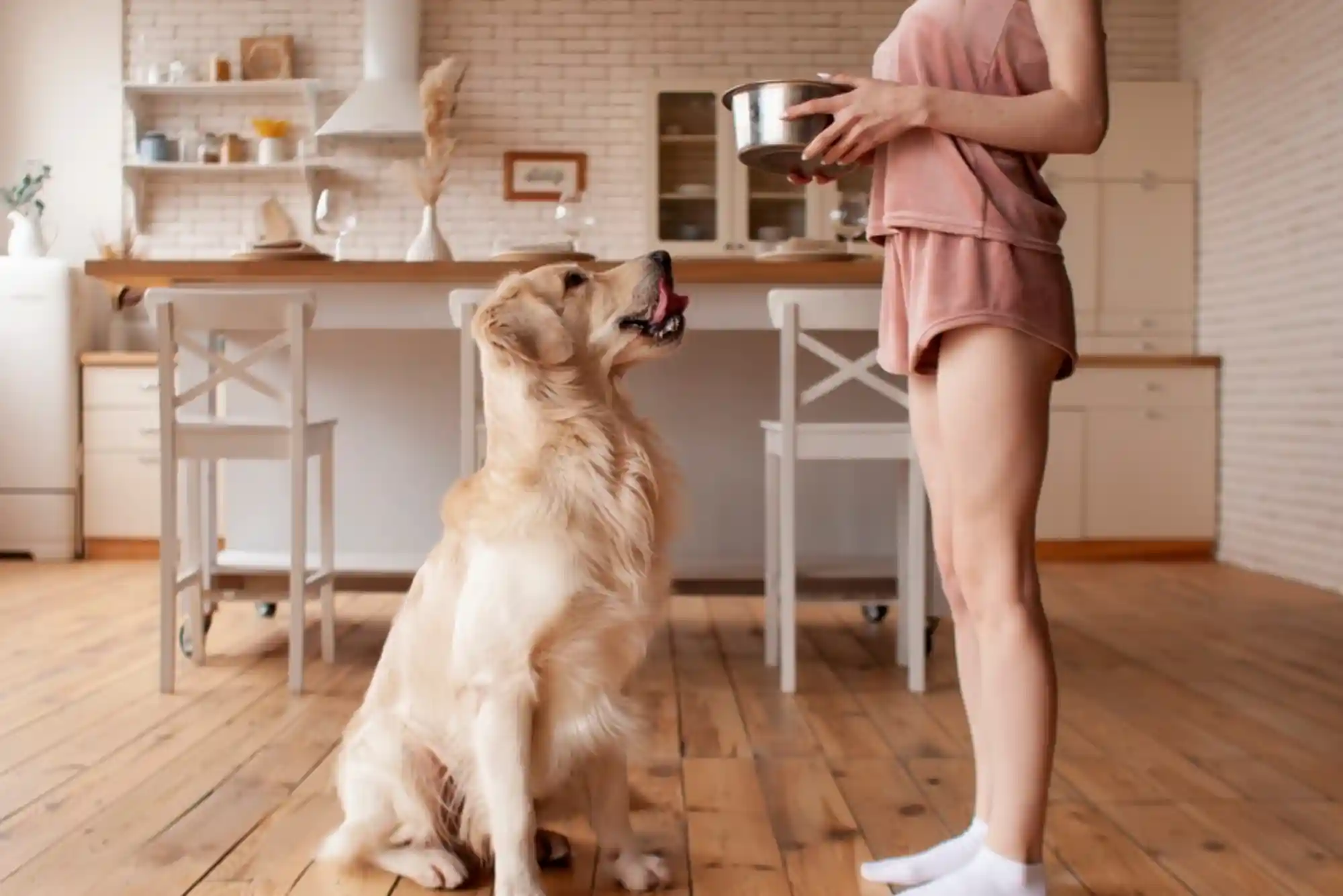
Food guarding requires additional caution because approaching a food bowl can trigger a strong defensive response. Never begin by taking the bowl away or placing your hands near a guarding dog’s face.
For dogs showing only mild discomfort, prevention and carefully managed positive associations may help. Feed the dog in a quiet, separate area where nobody needs to approach its bowl.
If the dog remains relaxed around people at a comfortable distance, a qualified professional may recommend gradual counterconditioning. This involves pairing a person’s presence with something pleasant without threatening the dog’s access to food.
For example, an adult might remain well beyond the dog’s reaction distance and toss an additional treat toward the feeding area. The person then leaves without touching the bowl.
Over repeated sessions, the dog may learn that a person appearing nearby predicts something good. The distance should decrease only when the dog consistently remains relaxed.
If the dog growls, freezes, guards the bowl, or stops eating, the exercise is too difficult. Increase distance and consult a qualified reward-based trainer or veterinary behaviorist.
Never use a food bowl as a training prop if approaching it could trigger a bite. Safety must come before progress.
Common Mistakes That Make Resource Guarding Worse
One common mistake is forcibly removing food or toys to demonstrate control. This can confirm the dog’s fear that people approaching its possessions means losing them.
Another mistake is punishing growling. Growling provides valuable information about discomfort, and suppressing it can make future reactions less predictable.
Some owners repeatedly test their dogs by touching their bowls or reaching for toys. These tests create unnecessary stress and may strengthen guarding behavior.
Avoid chasing dogs that carry possessions away. Chasing can turn the situation into a stressful confrontation or an exciting game.
Instead, manage the environment, respect warning signals, and reward voluntary cooperation. Consistency helps dogs feel safer and makes training more effective.
Managing Resource Guarding in a Multi-Pet Household
Resource guarding becomes more complicated when several pets share a home. Dogs may compete over food, toys, sleeping areas, or objects they discover around the house.
Feed pets separately using closed doors or secure barriers. Remove high-value chews when other animals are nearby, and supervise shared spaces carefully.
Do not expect pets to work out their conflicts independently. Repeated confrontations can increase fear and create opportunities for injury.
Provide each animal with secure resting areas and individual access to valued resources. Introduce shared activities gradually, using professional guidance when guarding has caused conflict.
When Should You Seek Professional Help?
Professional support is particularly important when a dog has bitten someone, attempted to bite, or guards resources intensely. Seek help if the dog threatens children, guards multiple objects, or becomes aggressive during ordinary household activities.
A veterinarian can check for pain, illness, or other medical contributors. A qualified reward-based trainer or veterinary behaviorist can then develop a personalized behavior modification plan.
Look for professionals experienced in aggression and resource guarding. Avoid approaches based on intimidation, physical corrections, or dominance confrontations.
Until an assessment is complete, manage access to guarded resources and prevent risky interactions. If children live in the household, maintain secure separation from situations involving guarded food or possessions.
Frequently Asked Questions
Can resource guarding in dogs be cured?
Many dogs improve significantly with appropriate management and behavior modification. Some may continue to need lifelong precautions around specific resources. Progress depends on the dog’s history, triggers, and individual needs.
Should I take my dog’s food away to stop guarding?
No. Taking food away can increase anxiety and reinforce the fear of losing resources. Instead, provide a safe feeding environment and use professionally guided positive associations when necessary.
Does growling mean my dog is aggressive?
Growling is a warning that a dog feels uncomfortable or threatened. It does not automatically mean the dog will bite, but it should always be taken seriously. Give the dog space rather than punishing the warning.
How long does it take to stop resource guarding?
There is no universal timeline. Mild cases may improve with consistent training, while severe cases can require months of structured behavior modification. Avoid rushing exercises or increasing difficulty before the dog is comfortable.
Should I use treats to stop food aggression?
Treats can help create positive associations when used appropriately. However, approaching a guarding dog or placing treats near its bowl can still be dangerous. Follow a safe, individualized plan, especially when aggression has occurred.
Conclusion
Resource guarding in dogs can be challenging, but understanding its causes makes safer training possible. Dogs need to learn that people approaching their possessions do not automatically threaten their access to valuable things.

