







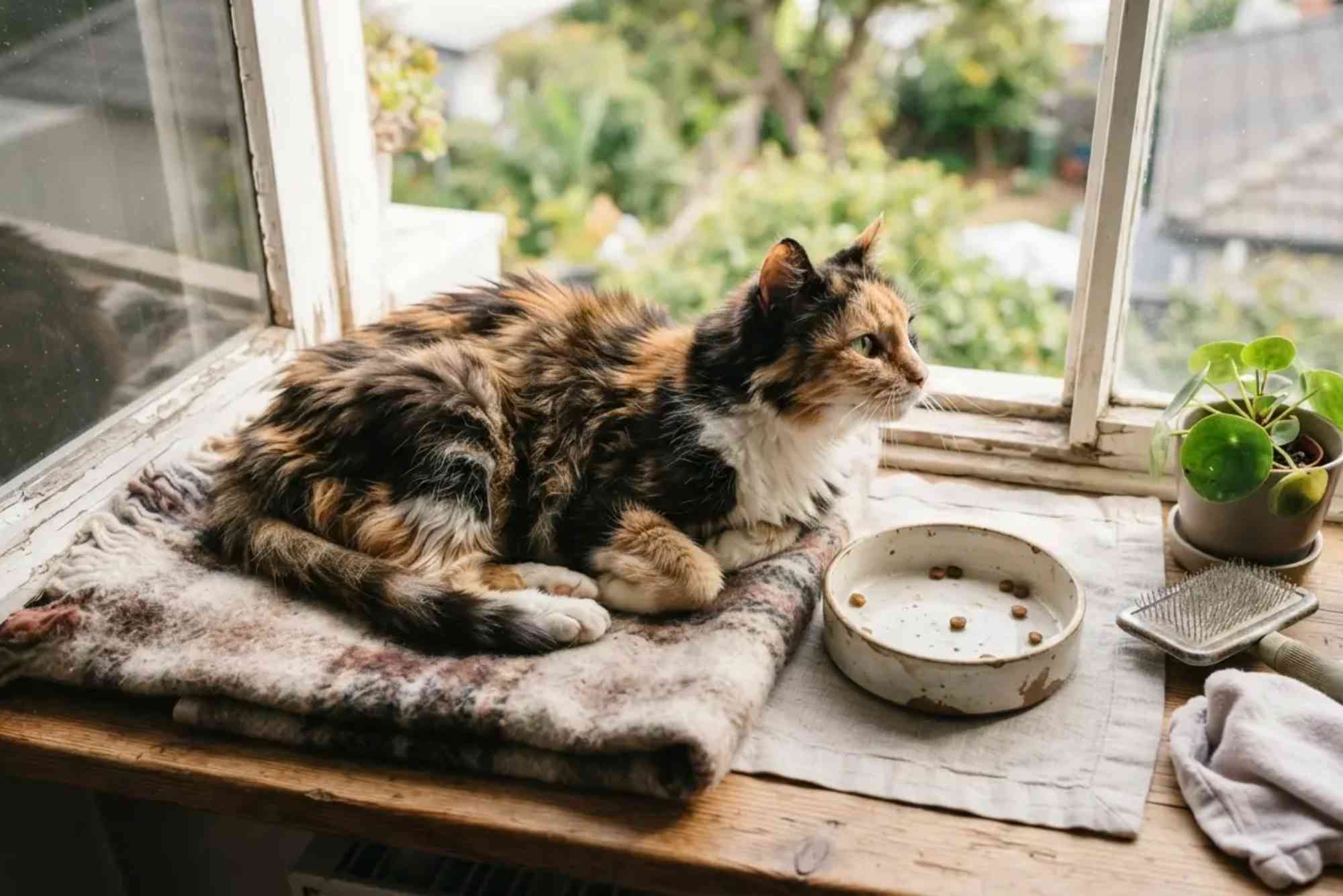
Feline Hyperthyroidism: Weight Loss with Increased Appetite Symptoms and Treatment
Feline Hyperthyroidism: Weight Loss with Increased Appetite Symptoms and Treatment is an important topic for cat owners. A cat that loses weight while eating more than usual may have an underlying thyroid problem. This condition is common in older cats and can affect several body systems.
Feline hyperthyroidism occurs when the thyroid glands produce excessive thyroid hormones. These hormones increase the body’s metabolic rate. As a result, an affected cat may burn calories quickly, even when its appetite becomes stronger.
Recognizing the warning signs early can make a major difference. Veterinary testing can confirm the condition and help determine the best treatment. With appropriate care, many cats with hyperthyroidism can enjoy a comfortable and active life for years.
What Is Feline Hyperthyroidism?
Feline hyperthyroidism is a hormonal disorder caused by excessive production of thyroid hormones. The thyroid glands sit in the neck and help regulate metabolism. When these glands become overactive, the entire body can work faster than normal.
The condition usually affects middle-aged or senior cats. In most cases, it develops because of a benign enlargement of thyroid tissue. Cancerous thyroid tumors are much less common.
The increased hormone levels can influence the heart, digestive system, kidneys, muscles, and nervous system. Therefore, hyperthyroidism is more than simply a weight problem.

Understanding Feline Hyperthyroidism: Weight Loss with Increased Appetite Symptoms and Treatment helps owners recognize why seemingly unusual changes deserve veterinary attention.
Why Does Hyperthyroidism Cause Weight Loss With Increased Appetite?
One of the most recognizable signs is weight loss despite increased food consumption. This combination can seem confusing because cats normally gain weight when they eat more calories.
However, thyroid hormones increase metabolic activity. The affected cat burns energy at an unusually high rate. Consequently, the body may use stored fat and muscle even when the cat eats frequently.
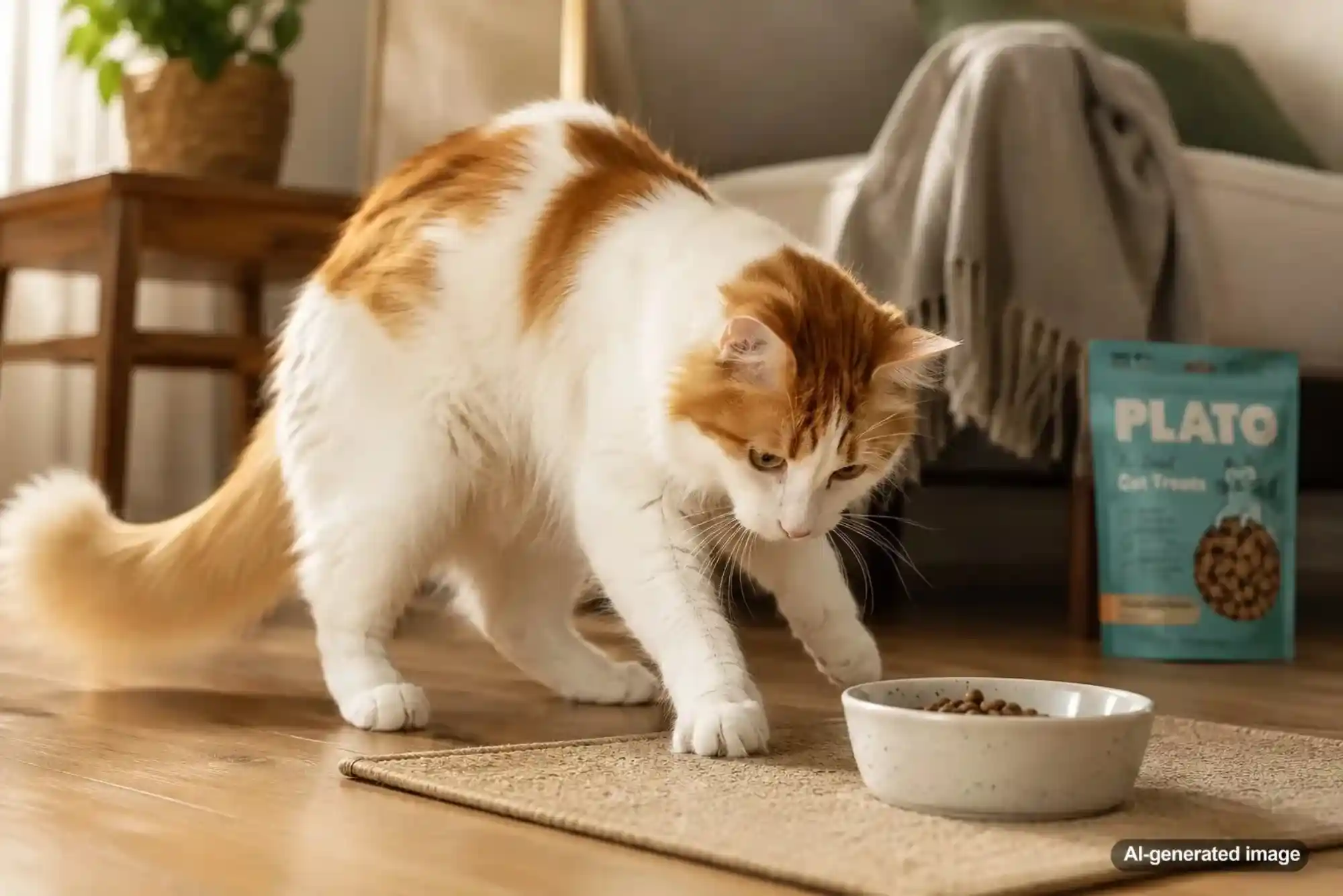
Some cats become extremely hungry. They may beg for food, steal food, or become restless around feeding times. Despite this increased appetite, their body weight may continue to decline.
This classic combination makes Feline Hyperthyroidism: Weight Loss with Increased Appetite Symptoms and Treatment particularly important for owners to understand.
Common Symptoms of Feline Hyperthyroidism
Weight loss and increased appetite are not the only warning signs. The disease can produce several noticeable changes.
Increased Thirst and Urination
Some hyperthyroid cats drink more water than usual. They may also urinate more frequently or produce larger amounts of urine.
These changes can overlap with kidney disease and diabetes. Therefore, laboratory testing is important before assuming thyroid disease is responsible.
Vomiting and Diarrhea
An accelerated metabolism can affect digestion. Some cats develop occasional vomiting or loose stools.
Digestive symptoms can also have many other causes. Persistent vomiting or diarrhea should always receive veterinary attention.
Restlessness and Hyperactivity
A previously calm cat may suddenly become unusually active. It might pace around the home, vocalize frequently, or have difficulty settling down.
Some cats also appear anxious or irritable. These behavioral changes can be especially noticeable in senior cats.
Rapid Heart Rate
Excess thyroid hormone can stimulate the cardiovascular system. Affected cats may develop an unusually fast heart rate.
Over time, this increased workload can contribute to heart problems. This is one reason early diagnosis matters.
Poor Coat Condition
The coat may become greasy, dull, or unkempt. Some cats groom differently because they feel uncomfortable or restless.
A healthy-looking coat can change noticeably as the condition progresses.
Muscle Loss and Weakness
Although cats may eat more, they can lose muscle mass. The back and hindquarters may become thinner.
Advanced disease can leave a cat weak or less tolerant of physical activity.
Feline Hyperthyroidism: Weight Loss with Increased Appetite Symptoms and Treatment Diagnosis
A veterinarian usually begins with a physical examination and medical history. The veterinarian may feel an enlarged thyroid gland in the neck.
Blood testing is generally needed to confirm the diagnosis. Total thyroxine, commonly called T4, is an important thyroid measurement.
However, diagnosis is not always straightforward. Some cats have thyroid hormone levels near the normal range despite having clinical signs.
Additional thyroid testing may therefore be recommended. Blood chemistry and urine testing are also valuable because older cats frequently have other medical conditions.
A cardiovascular assessment may be appropriate when the heart rate is elevated. These tests help create a complete picture of the cat’s health.
How Is Feline Hyperthyroidism Treated?
Treatment depends on the cat’s overall health, age, kidney function, lifestyle, and the owner’s preferences. Several established treatment approaches are available.
Medication
Antithyroid medication reduces thyroid hormone production. Methimazole is commonly used for this purpose.
Medication can be given orally or, in some situations, through a transdermal formulation. Regular veterinary monitoring is essential.
Blood tests help determine whether the dosage is working correctly. They also allow the veterinarian to monitor kidney function and other important health markers.
Medication controls the condition but does not permanently remove the abnormal thyroid tissue. Therefore, ongoing treatment is usually necessary.
Radioactive Iodine Therapy
Radioactive iodine treatment is often considered the definitive treatment for feline hyperthyroidism.
The therapy targets abnormal thyroid tissue while minimizing effects on healthy tissue. It can often restore normal thyroid function without daily medication.
Specialized facilities are required because radioactive material is involved. Availability and cost vary by location.
For suitable cats, radioactive iodine can provide an excellent long-term solution.
Surgery
Surgical removal of abnormal thyroid tissue can also treat hyperthyroidism. This approach may be appropriate when one or both thyroid glands are affected.
Because surgery requires anesthesia, the cat’s overall health must be evaluated first.
Potential complications include damage to nearby structures or problems with calcium regulation. An experienced veterinary surgeon can help reduce these risks.
Prescription or Specialized Diet
A controlled-iodine diet may help manage hyperthyroidism in selected cats. Its effectiveness depends heavily on strict dietary compliance.
The cat generally needs to eat the prescribed diet exclusively. Other foods, treats, and hunting can interfere with the nutritional approach.
Dietary management should therefore be discussed carefully with a veterinarian.
Treatment Comparison for Hyperthyroid Cats
| Treatment | Main Benefit | Main Consideration | Long-Term Approach |
|---|---|---|---|
| Antithyroid medication | Controls hormone production | Requires regular dosing and monitoring | Usually ongoing |
| Radioactive iodine | Often provides definitive treatment | Requires specialized facility | Usually one treatment |
| Surgery | Removes abnormal thyroid tissue | Requires anesthesia and surgical expertise | Potentially definitive |
| Controlled-iodine diet | Non-surgical management | Strict dietary compliance is essential | Usually ongoing |
The most appropriate option depends on the individual cat. Kidney function deserves particular attention because treating hyperthyroidism can reveal previously hidden kidney disease.
Why Kidney Health Matters During Treatment
Hyperthyroidism increases blood flow through the kidneys. This can temporarily make kidney function appear better than it actually is.
After thyroid hormone levels return toward normal, underlying kidney disease may become more obvious.
For this reason, veterinarians often monitor kidney values during treatment. This monitoring helps balance thyroid control with overall health.
Owners should not assume that a normal initial kidney test eliminates future concerns. Regular follow-up remains important.
Nutrition and Weight Management
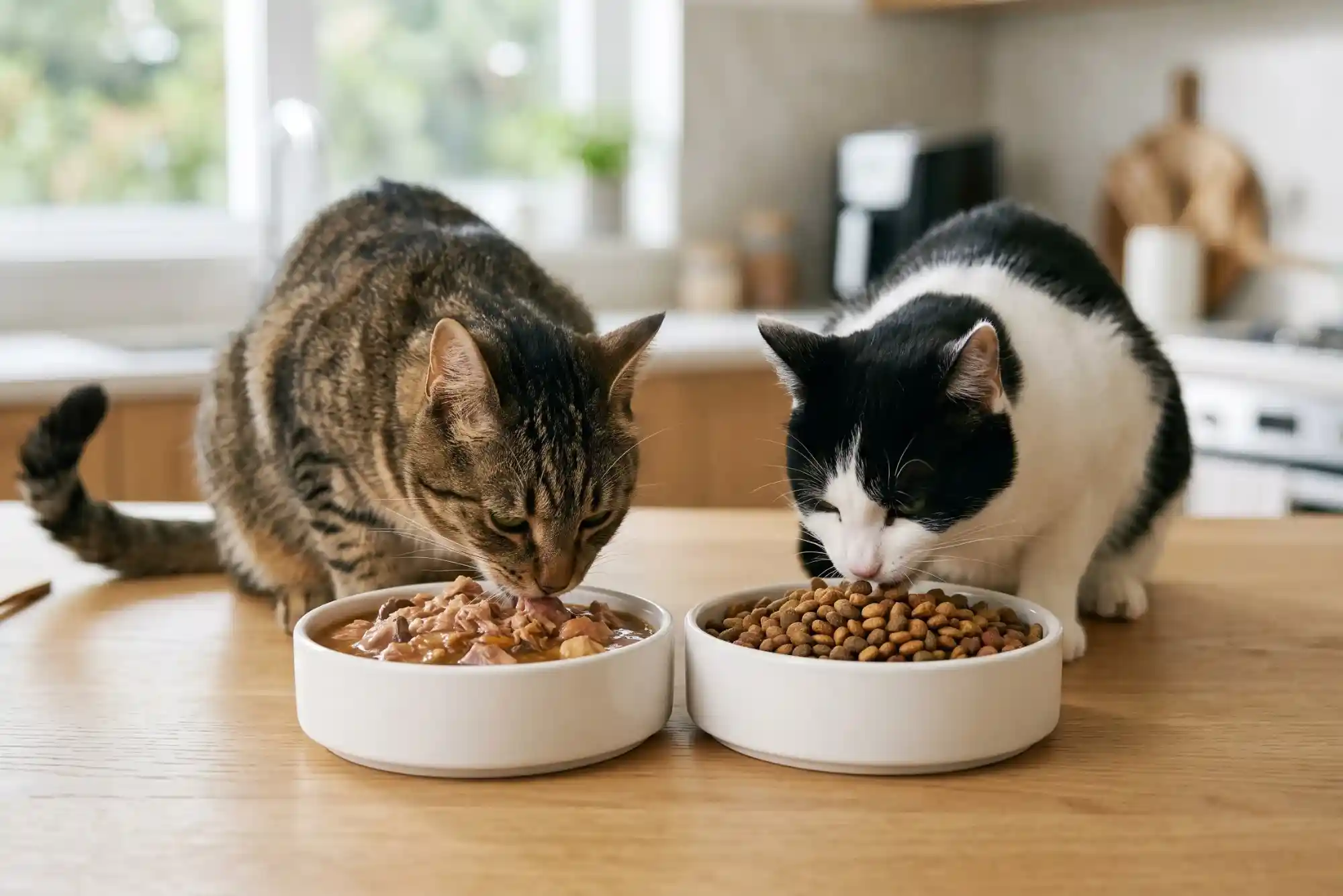
Nutrition plays an important supporting role during treatment. A cat losing weight may need adequate calories and high-quality nutrition.
The nutritional plan should match the cat’s age, body condition, kidney health, and treatment strategy.
Some owners explore products associated with natural feeding or species-appropriate nutrition, including resources such as Lightgraze. However, dietary changes should not replace veterinary treatment.
Likewise, information about Herbivore Small Pet Diets may be useful for understanding broader animal nutrition, but cats have specific carnivorous nutritional requirements. A cat’s diet should always be formulated for feline needs.
Monitoring a Cat After Diagnosis
Successful treatment does not end with the initial diagnosis. Regular monitoring helps determine whether hormone levels remain appropriate.
Owners should watch for changes in appetite, body weight, thirst, urination, energy, vomiting, and coat quality.
A cat that suddenly becomes lethargic or stops eating needs prompt veterinary assessment. Excessive thyroid suppression can also cause problems, so medication should never be adjusted without veterinary guidance.
Keeping a simple record of weight and eating habits can make follow-up appointments more useful.
Can Feline Hyperthyroidism Be Cured?
The answer depends on the treatment used. Medication usually controls hyperthyroidism rather than permanently curing the abnormal thyroid tissue.
Radioactive iodine and successful surgery can potentially provide definitive treatment.
However, every cat responds differently. Other conditions, especially kidney disease and heart disease, can influence the outcome.
Veterinary guidance is therefore essential when deciding between treatment options.
How Serious Is Feline Hyperthyroidism?
Untreated hyperthyroidism can become serious. Persistent excess thyroid hormone places additional demands on the cardiovascular system.
It can also contribute to weight loss, muscle wasting, high blood pressure, and other complications.
The good news is that the condition is manageable when diagnosed and treated appropriately. Many cats respond well once their thyroid hormone levels are controlled.
CatVets Feline Endocrine Disorders and Veterinary Guidance
Reliable veterinary information can help owners understand endocrine diseases and prepare useful questions for appointments. Resources such as CatVets Feline Endocrine Disorders can provide additional educational context.
However, online information should complement professional veterinary care. A veterinarian can interpret symptoms alongside physical findings and laboratory results.
This distinction is especially important because weight loss and increased appetite can occur with several diseases. Diabetes, intestinal disorders, kidney disease, and cancer can produce overlapping signs.
Feline Hyperthyroidism: Weight Loss with Increased Appetite Symptoms and Treatment Outlook
The outlook for a cat with hyperthyroidism is often encouraging when treatment begins early. The goal is to restore thyroid hormone levels while protecting other organs.
Many cats regain weight after treatment. Appetite may gradually return to a more normal level, and excessive thirst or restlessness may improve.
Follow-up testing remains important throughout treatment. Adjustments may be necessary as the cat’s health changes with age.
For owners, the most important step is recognizing that unexplained weight loss should not be dismissed as normal aging.
Frequently Asked Questions
Is weight loss with increased appetite a sign of hyperthyroidism in cats?
Yes. Weight loss despite increased appetite is one of the classic signs of feline hyperthyroidism. The condition accelerates metabolism, causing the body to burn calories rapidly.
However, other diseases can cause the same pattern. A veterinarian should perform appropriate testing before making a diagnosis.
What are the first signs of hyperthyroidism in cats?
Early signs may include weight loss, increased appetite, increased thirst, frequent urination, restlessness, vomiting, diarrhea, and changes in coat quality.
Not every cat develops all these symptoms. Some changes can be subtle at first.
How long can a cat live with hyperthyroidism?
Survival varies depending on age, treatment, kidney health, heart health, and other medical conditions.
Cats receiving appropriate treatment can often have a good quality of life. Early diagnosis generally provides more opportunities for effective management.
Can hyperthyroidism in cats be cured?
Some treatments can potentially provide a definitive cure. Radioactive iodine and successful surgical treatment can eliminate abnormal thyroid tissue.
Medication and controlled-iodine diets generally manage hormone production rather than permanently removing the underlying abnormal tissue.
What happens if feline hyperthyroidism is left untreated?
Untreated disease can cause progressive weight and muscle loss. It may also contribute to high blood pressure and cardiovascular complications.
Therefore, suspected hyperthyroidism should be evaluated rather than monitored indefinitely at home.
Should I change my cat’s diet if it has hyperthyroidism?
Dietary changes should be discussed with a veterinarian. Nutritional needs vary according to thyroid status, kidney function, body condition, and the chosen treatment.
A specialized iodine-controlled diet may be appropriate for some cats. It must generally be followed very strictly to work effectively.
Conclusion
Feline Hyperthyroidism: Weight Loss with Increased Appetite Symptoms and Treatment is especially relevant for owners of older cats. Unexplained weight loss combined with increased hunger should never be ignored.
The condition can affect metabolism, digestion, heart function, blood pressure, and overall body condition. Fortunately, several treatment options are available.
Medication, radioactive iodine, surgery, and controlled-iodine nutrition each have different advantages. The right choice depends on the individual cat and its overall health.
If your cat is losing weight while eating more, schedule a veterinary examination as soon as possible. Early testing can identify the cause and help your veterinarian create an appropriate treatment plan.
Related Reading: Best Heavy Duty No-Pull Harnesses for Pitbulls, Boxers, and Strong Pullers

